
Claude Opus 5 Multi-Agent Swarms on an Open Runtime
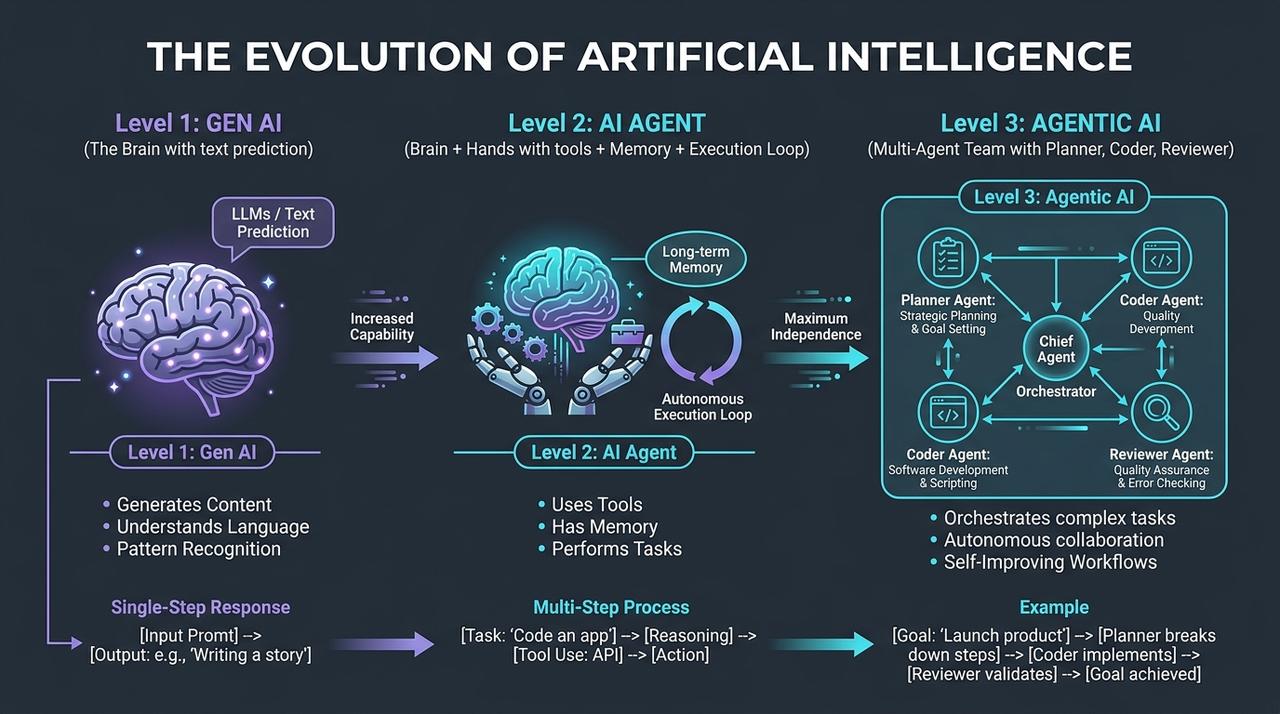
Claude Opus 5.5 with adaptive thinking raises the ceiling on multi-step planning — exactly what a swarm supervisor needs. This guide shows how to run Claude-powered multi-agent swarms on a **model-agnostic, open-source runtime**, pair Opus with cheaper or local models for workers, and visualize the whole thing on Smoke Monkey Canvas.
Claude Opus 5 Multi-Agent Swarms on an Open Runtime: Claude Opus 5.5 with adaptive thinking raises the ceiling on multi-step planning — exactly what a swarm supervisor needs. This guide shows how to run Claude-powered multi-agent swarms on a **model-agnostic, open-source runtime**, pair Opus with cheaper or local models for workers, and visualize the whole thing on Smoke Monkey Canvas. Designed as a zero-dependency, open-source TypeScript architecture under the MIT License with native Model Context Protocol (MCP) support and deterministic phase state machines.
- A frontier Claude model improves planning, but scheduling, permissions, and observability come from the runtime.
- Smoke Monkey Harness is provider-agnostic: point the supervisor at Claude and workers at whatever is cheapest.
- Route light subtasks to local Ollama models and reserve Opus for high-value planning to control cost.
- Launch `npx @smoke-monkey/canvas start` to watch a Claude swarm as draggable cards on an infinite canvas.
import { createAgent } from 'smoke-monkey-harness';// Frontier planner + cheap workers, same runtimeconst planner = createAgent({provider: 'anthropic',model: 'claude-opus-5', // always-on adaptive thinkingworkspacePath: process.cwd(),});const plan = await planner.run('Break the feature into independent subtasks. Output JSON.');const workers = JSON.parse(plan.output).tasks.map((t) =>createAgent({provider: 'anthropic',model: 'claude-sonnet-5', // fast, inexpensive executionworkspacePath: process.cwd(),permissions: { write_file: 'ask', run_command: 'ask' },}).run(t.instruction));await Promise.all(workers);
Watch: Related Video Guides
Anthropic Just Built an Agentic OS — Open Source Harness Breakdown
Smoke Monkey
Claude Opus 5.5 Explained: What's New & Why It Matters for AI Agents
TestMu AI
Why Frontier Claude Models Reset Swarm Orchestration
Claude Opus 5.5 with adaptive thinking raises the ceiling on multi-step planning, which is exactly what a swarm supervisor needs: a model that can hold a large goal and decompose it cleanly. But a stronger model does not give you scheduling, permissions, or observability — those come from the runtime around it. The best swarm in 2026 pairs a frontier Claude model for the supervisor with cheaper models for the workers, all on infrastructure you control.
A Model-Agnostic Runtime Around Claude
Smoke Monkey Harness is provider-agnostic, so Claude is one adapter among many. Point the supervisor at Claude for planning and a faster model for execution — the state machine, tools, and permission model stay identical. That means you can swap in a new frontier model the week it ships without rewriting your agent. Compare the alternatives in the Claude Code runtime alternative writeup.
import { createAgent } from 'smoke-monkey-harness';// One interface, many providers — swap without touching your toolsconst agent = createAgent({provider: 'anthropic',model: 'claude-opus-5',workspacePath: process.cwd(),permissions: { read_file: 'allow', write_file: 'ask', run_command: 'ask' },});// Later, change two lines to run the same agent on another provider// provider: 'ollama', model: 'qwen3:8b'
Local Fallbacks and Cost Control
Frontier tokens are not free, and rate limits bite hardest on a swarm. Route light subtasks — summarization, search-result filtering, classification — to local Ollama models and save Claude for the planner. Because the harness is model-agnostic, this is a config change, not a migration. Pair it with token cost optimization so a large swarm stays affordable, and add a fallback provider so a single rate-limit spike does not stall the whole run. Read more about multi-provider agent APIs.
Watching a Claude Swarm on the Canvas
Run npx @smoke-monkey/canvas start to see your Claude-powered swarm as a living canvas. Each agent is a card with live status; you drag-and-drop them into supervisor and worker roles, then watch tool calls stream in real time. Human-in-the-loop approvals fire inline, so a git push or rm -rf waits for you instead of surprising you. It is the fastest way to understand what a frontier-model swarm is actually doing — and the same harness powers any model you choose.
# Visualize a Claude-powered swarm on the infinite canvasnpx @smoke-monkey/canvas start
Frequently Asked Questions
Q:Can I use Claude Opus 5 with Smoke Monkey?
Yes. Smoke Monkey Harness is model-agnostic and includes a Claude provider adapter, so you can set provider to anthropic and model to claude-opus-5 and run immediately.
Q:Is this an official Anthropic product?
No. Smoke Monkey is an independent open-source runtime. It calls Anthropic models through their API but is not affiliated with or endorsed by Anthropic.
Q:How do I reduce the cost of a Claude swarm?
Use Claude for planning only and route cheap subtasks to local Ollama models or cheaper Claude tiers. Context compaction and bounded iterations further reduce token spend.
Q:Can I watch the swarm while it runs?
Yes. Smoke Monkey Canvas shows each Claude agent as a card on an infinite canvas with live status, streaming tool calls, and inline approval prompts.
Related Alternatives & Comparisons
Related Architecture Guides
View all guidesBest Open Source Coding Agents in 2026: Free, Local & Fully Hackable Harnesses
MCP Server Security Best Practices: Hardening Model Context Protocol Agents in 2026
Open Source Coding Agent Harness: Build a Forkable, Local AI Engineering Runtime
Build with Smoke Monkey Harness
Zero dependencies. 24 built-in tools. Human-in-the-loop safety. 100% open source under the MIT License.