
GPT-6.1 Sol Coding Agent: Harness the New OpenAI Model Locally
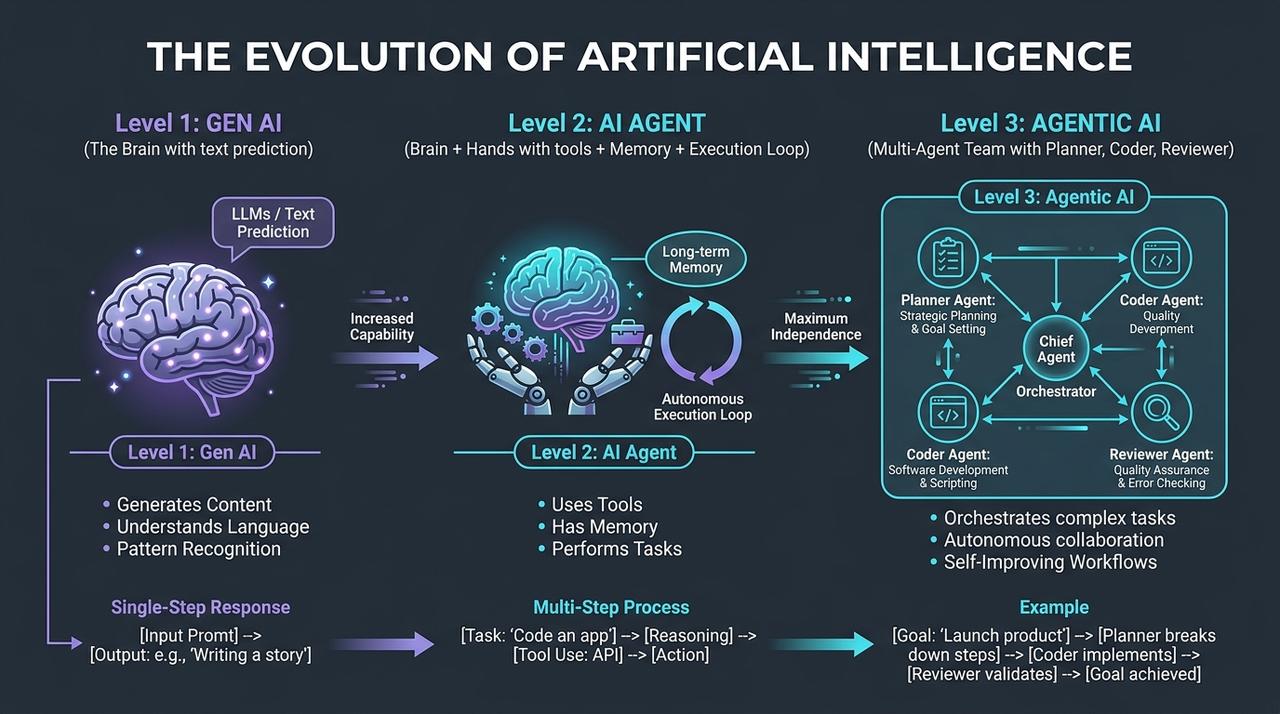
OpenAI's **GPT-6.1 Sol** landed in September 2026 with an **Ultrafast** tier tuned for fast, cheap coding. A better model is still not an agent — you need a runtime that plans, edits, verifies, and pauses for approval. This guide shows how to run GPT-6.1 Sol through the provider-neutral [Smoke Monkey Harness](/solutions/what-is-an-ai-agent-harness) and watch a fleet of Sol agents on **Smoke Monkey Canvas**, instead of renting a closed app.
GPT-6.1 Sol Coding Agent: Harness the New OpenAI Model Locally: OpenAI's **GPT-6.1 Sol** landed in September 2026 with an **Ultrafast** tier tuned for fast, cheap coding. A better model is still not an agent — you need a runtime that plans, edits, verifies, and pauses for approval. This guide shows how to run GPT-6.1 Sol through the provider-neutral [Smoke Monkey Harness](/solutions/what-is-an-ai-agent-harness) and watch a fleet of Sol agents on **Smoke Monkey Canvas**, instead of renting a closed app. Designed as a zero-dependency, open-source TypeScript architecture under the MIT License with native Model Context Protocol (MCP) support and deterministic phase state machines.
- GPT-6.1 Sol is a fast, cheap coding model — the value comes from the harness around it, not the model alone.
- Smoke Monkey Harness is provider-neutral, so Sol is one adapter beside Claude, Gemini, and local Ollama models.
- A verification loop (edit, run tests, recover) is what turns a code generator into a reliable coding agent.
- Smoke Monkey Canvas visualizes many Sol agents at once so you can observe, pause, and approve their work.
import { createAgent } from 'smoke-monkey-harness';// GPT-6.1 Sol behind a provider-neutral harness with a real verification loopconst agent = createAgent({provider: 'openai',model: 'gpt-6.1-sol', // Ultrafast tier: fast and cheapworkspacePath: process.cwd(),permissions: { read_file: 'allow', write_file: 'ask', run_command: 'ask' },});const result = await agent.run('Add a retry wrapper to the HTTP client and prove it with tests');console.log(result.status, result.iterations);// Want a fleet? npx @smoke-monkey/canvas start
Watch: Related Video Guides
Anthropic Just Built an Agentic OS — Open Source Harness Breakdown
Smoke Monkey
GPT-6.1 Sol Coding Test: OpenAI's New Model at 1/5 the Cost of GPT-6 Astra
The Metaverse Guy
What GPT-6.1 Sol Changes for Coding Agents
OpenAI's GPT-6.1 Sol, shipped in September 2026, adds an Ultrafast tier built for fast, cheap coding — rapid edits, test fixes, and small refactors at a fraction of the cost of a flagship call. That is a real shift: the model that used to be reserved for hard reasoning is now economical for the thousands of small steps an agent makes. But a model is not an agent. Sol decides the next token; it does not schedule tools, guard your repository, or prove its edits compile. That work belongs to the runtime, which is exactly what Smoke Monkey Harness provides. The same runtime also powers Smoke Monkey Canvas, the visual spatial multi-agent OS, so the model and the harness stay decoupled.
Run GPT-6.1 Sol Through a Provider-Neutral Harness
The fastest way to adopt a new model is to make sure your code never depends on it. Smoke Monkey Harness is provider-neutral: Sol is a single adapter beside Anthropic, Gemini, DeepSeek, and local Ollama models, all behind one createAgent call. When the next model ships, you change two lines — not your tools, prompts, or permissions. Because Smoke Monkey Canvas (npx @smoke-monkey/canvas start) is built directly on the same harness, any agent you configure here appears on the canvas as a card you can watch and steer.
import { createAgent } from 'smoke-monkey-harness';// Swap the model, keep the loop, tools, and permissionsconst agent = createAgent({provider: 'openai',model: 'gpt-6.1-sol',workspacePath: process.cwd(),permissions: { read_file: 'allow', write_file: 'ask', run_command: 'ask' },maxIterations: 30,});const result = await agent.run('Fix the failing parser test and re-run the suite');console.log(result.status, result.iterations);
Add a Verification Loop, Not a Chat Window
A fast model tempts you to accept the first answer. The difference between a demo and a dependable agent is the verification loop: edit, run the tests, read the failure, recover, and only then report success. Smoke Monkey Harness builds this into its 6-phase state machine (explore → plan → edit → verify → recover → complete), so a cheap Sol call is never trusted until the change is checked. Pair it with the automated test verification loop and AST-aware edits, and a low-cost Ultrafast call becomes production-grade. Smoke Monkey Canvas surfaces each phase live, so you can see verification fail and recovery fire instead of hoping it did.
import { createAgent } from 'smoke-monkey-harness';// The loop verifies before it claims successconst agent = createAgent({provider: 'openai',model: 'gpt-6.1-sol',workspacePath: process.cwd(),verify: { command: 'npm test', required: true },onPause: (req) => approvalUi.confirm(req),});const run = await agent.run('Refactor the auth module and prove tests still pass');console.log(run.verified, run.changedFiles);
Watch a Fleet of Sol Agents on Smoke Monkey Canvas
Cheap, fast coding models make parallel agents practical: one Sol agent explores, another edits, a third verifies. Smoke Monkey Canvas turns that fleet into an infinite 2D board where each agent is a draggable card with live status and streaming tool calls. Launch it with npx @smoke-monkey/canvas start and you get 300+ MCP tools across the swarm, with human-in-the-loop approvals firing inline. It is the control plane that keeps a fleet of GPT-6.1 Sol agents observable — powered end-to-end by Smoke Monkey Harness.
Frequently Asked Questions
Q:Is GPT-6.1 Sol available in Smoke Monkey?
Yes. Smoke Monkey Harness is provider-neutral, so you set provider to openai and model to gpt-6.1-sol. The same tools, permissions, and 6-phase loop apply to every provider.
Q:Is this an official OpenAI product?
No. Smoke Monkey is an independent, MIT-licensed open-source runtime. It calls OpenAI models through their API but is not affiliated with or endorsed by OpenAI.
Q:Why use a harness instead of calling the API directly?
A raw API call generates code but cannot run tools, verify edits, or pause for approval. The harness adds the loop, tool registry, context management, and permission gates that make an agent reliable.
Q:Can I run many GPT-6.1 Sol agents at once?
Yes. Launch Smoke Monkey Canvas with `npx @smoke-monkey/canvas start` to place multiple Sol agents on one spatial board with 300+ MCP tools and per-agent controls.
Related Alternatives & Comparisons
Openai Codex Alternative Open Source: Free Open Source AI Agent & Runtime (2026)
9 Best Free Open Source ChatGPT Alternatives in 2026 (Self-Hosted & Local)
Grok Alternative: Free Open Source Local Agent (Ollama + Canvas) 2026
Related Architecture Guides
View all guidesBest Open Source Coding Agents in 2026: Free, Local & Fully Hackable Harnesses
MCP Server Security Best Practices: Hardening Model Context Protocol Agents in 2026
Open Source Coding Agent Harness: Build a Forkable, Local AI Engineering Runtime
Build with Smoke Monkey Harness
Zero dependencies. 24 built-in tools. Human-in-the-loop safety. 100% open source under the MIT License.